
Sectors
Asbestos Support for Every Kind of Property
Homes, occupied workplaces and industrial sites each need a different approach. Explore how we plan safe, practical asbestos work around your building and the people who use it.
Last reviewed
Who We Work With
Choose Your Property Type
See the common materials, compliance duties and working methods relevant to your property.
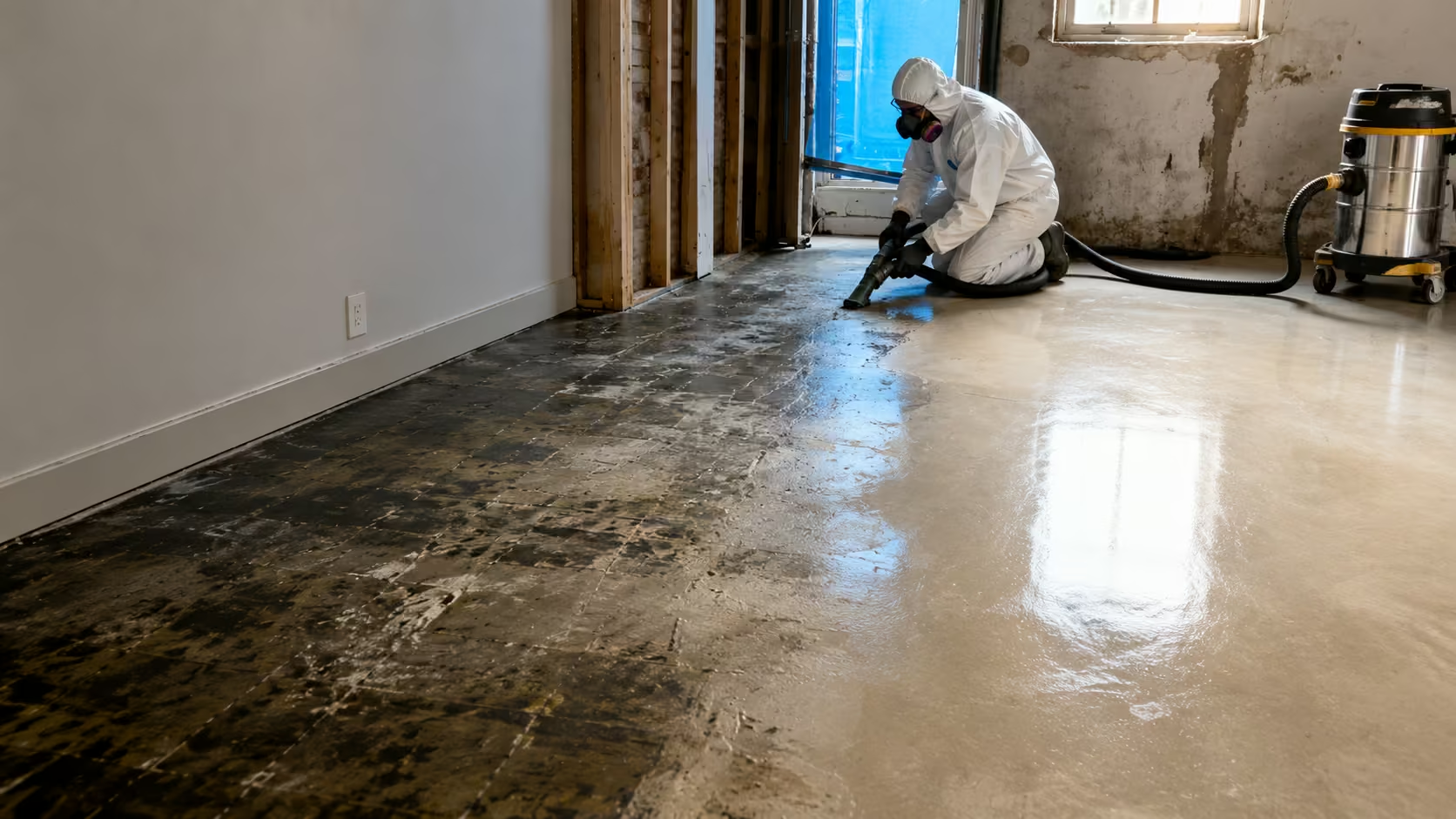
Homeowners & Landlords
Artex ceilings, garage roofs, floor tiles, water tanks. Discreet, tidy, family-safe working.
View Domestic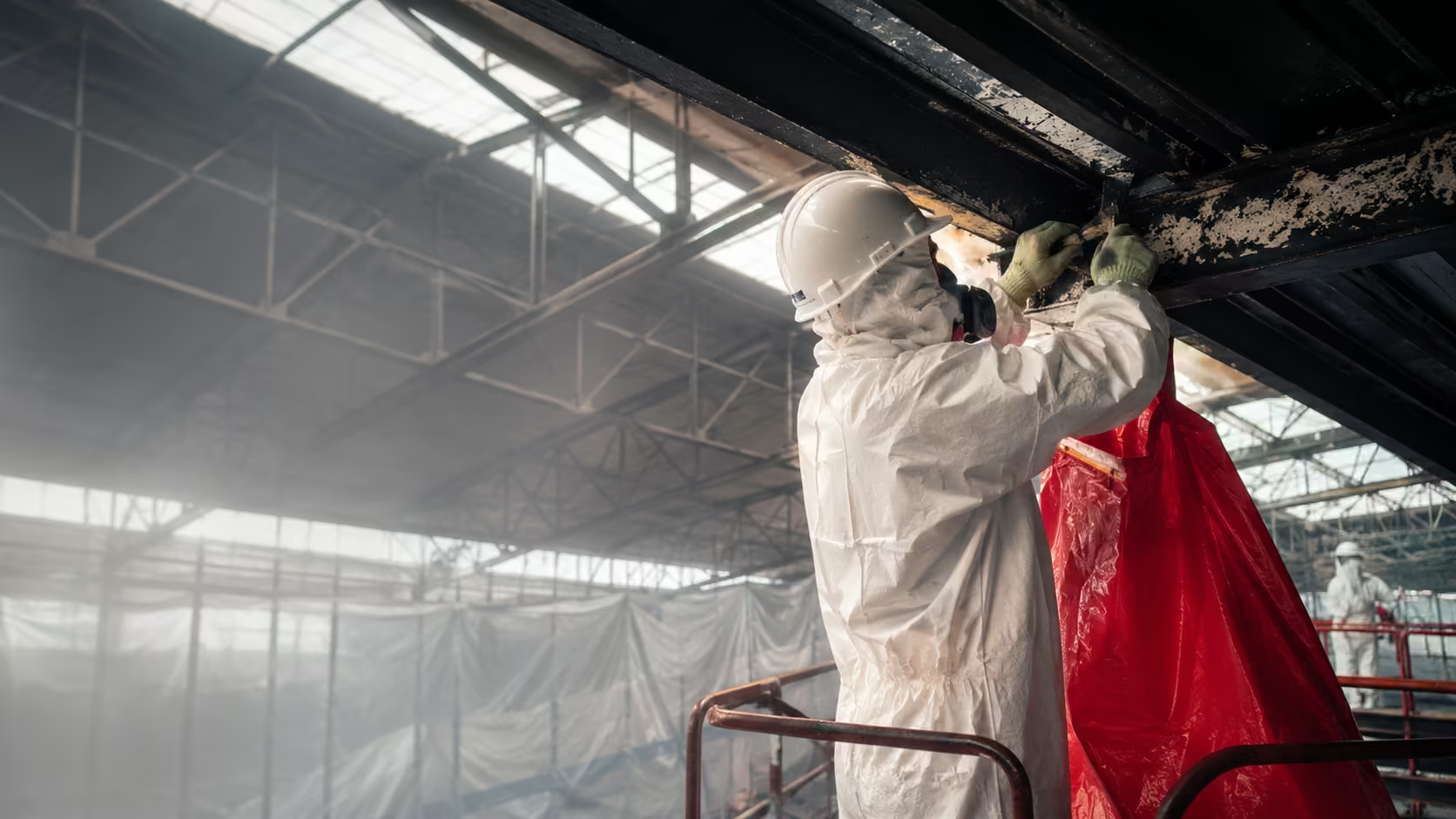
Commercial & Public Buildings
Offices, retail, schools and healthcare. Out-of-hours working to keep you trading.
View Commercial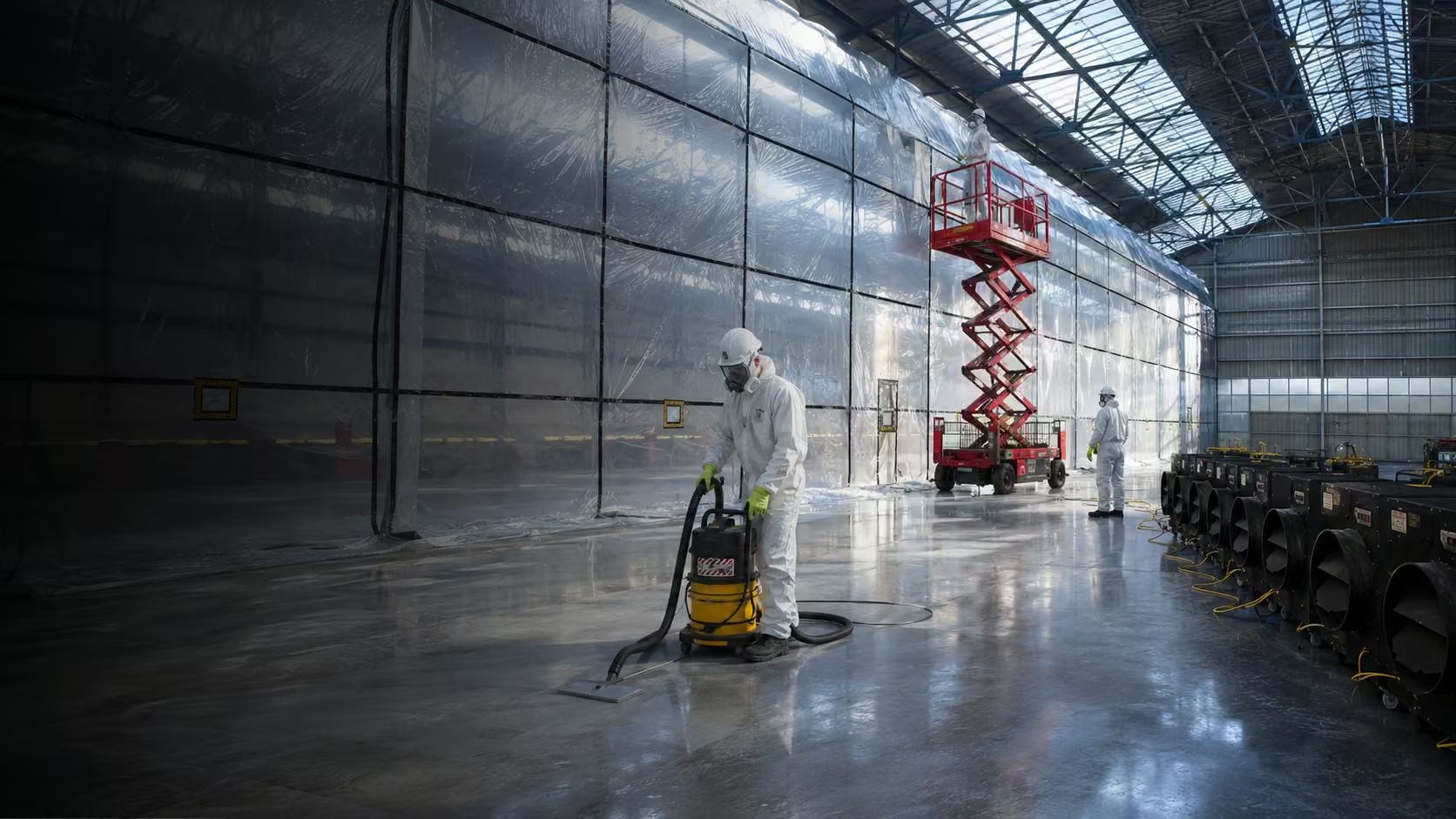
Industrial & Construction
Factories, warehouses and plant. Large-scale enclosures, negative pressure units and CDM coordination.
View IndustrialWhat Changes
How the work differs by property type
Homes. The usual suspects are an Artex ceiling, vinyl floor tiles, a cement garage roof, a water tank in the loft or soffits on the roofline. Most jobs start with a single lab test rather than a full survey, and most are finished in a day. What matters most is a tidy, sealed work area and clear advice before anyone lifts a tool.
Occupied workplaces. Offices, shops, schools and surgeries have a dutyholder with a legal duty to manage asbestos under Regulation 4 of the Control of Asbestos Regulations 2012: a register, a management plan, and information for anyone who might disturb it. Removal is planned around the people still using the building, often out of hours.
Industrial sites. Larger areas of cement roofing and cladding, work at height, phased programmes, and coordination with a principal contractor under CDM 2015. A refurbishment and demolition survey comes first, and the waste moves in volume, so the consignment paperwork has to be right on every load.
Whatever the building, the first question is the same: what is the material, and what condition is it in? That decides whether it can stay where it is, whether we can remove it, or whether the law requires a licensed contractor.
That is also why most enquiries start the same way, whatever the property: a photo, the age of the building and what you plan to do next. A homeowner replacing a garage roof, a factor arranging works in a close and a site manager planning a strip-out all get the same first answer from us — whether a single lab test, a survey or no action at all is the sensible next step — before anyone talks about removal or price.
Common Questions
Asbestos questions by property type
Do you work for landlords, factors and letting agents?
Yes. We test, survey and remove asbestos in rented homes, HMOs and factored blocks across Glasgow, and we work to the access and tenant arrangements the property needs. For the common parts of a block, the dutyholder should already hold an asbestos register under Regulation 4 of the Control of Asbestos Regulations 2012 — if there isn't one, a management survey is where we start.
Who is responsible for asbestos in a commercial building?
The dutyholder: whoever has responsibility for maintenance and repair, by ownership, lease or contract. Regulation 4 of the Control of Asbestos Regulations 2012 requires them to find out whether asbestos is present, record and assess it, have a written management plan and tell anyone who might disturb it. Where responsibility is shared between landlord and tenant, so is the duty.
Which materials can you remove on commercial and industrial sites?
Non-licensed and notifiable non-licensed work covers materials such as asbestos cement roofs, cladding, gutters and flues, and textured coatings. Higher-risk licensable materials — sprayed coatings, thermal lagging and most insulating board — legally require an HSE licensed contractor, and we help you arrange that where a survey identifies them.
Do you work outside Glasgow?
Yes. Domestic and commercial work covers Glasgow and the surrounding towns — Paisley, Hamilton, Motherwell, East Kilbride, Clydebank, Cumbernauld, Livingston and Edinburgh — and commercial and industrial projects are taken on Scotland-wide. Tell us the postcode and we'll confirm coverage before anything is booked.